
- Tsaone Segaetsho
Permanent Secretary in the Ministry of Minerals and Energy, Donald Gaetsaloe, has told a parliamentary committee that Botswana’s Electricity Import Bill is steadily declining and that the country is positioning itself to become a net exporter of electricity within the region.
According to the national power utility, the Botswana Power Corporation (BPC), the country’s peak electricity demand currently stands at approximately 700 megawatts (MW), while annual electricity consumption is estimated at 4,800 gigawatt-hours (GWh). BPC further projects demand growth of around five per cent annually, driven by population growth, expanding household electrification and increased industrial activity under the Botswana Economic Transformation Programme.
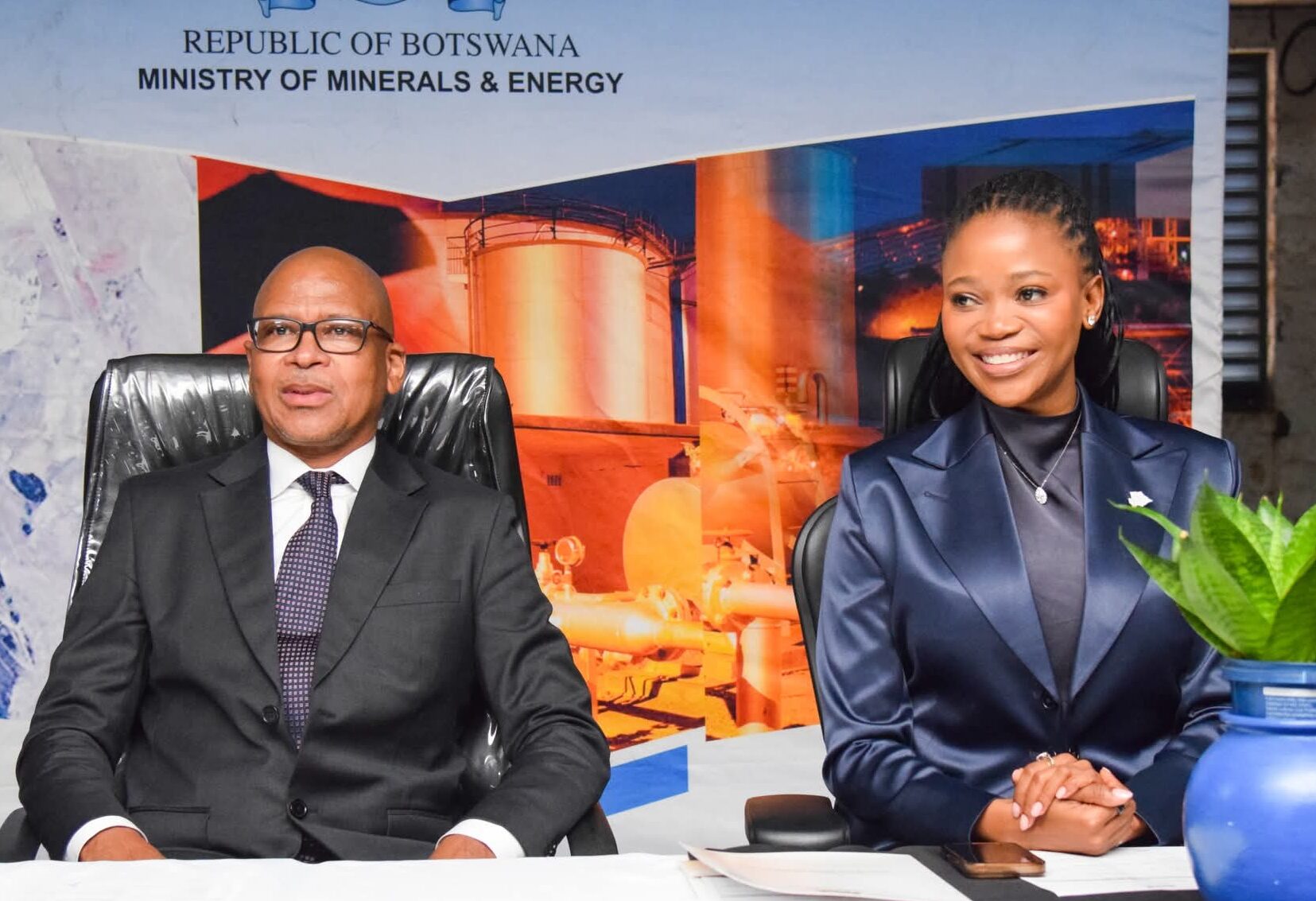
Appearing before Parliament’s Standing Committee on Government Assurances, Gaetsaloe provided an update on developments within the energy sector, including the country’s electricity demand and supply outlook.
He noted that Botswana remains one of the most electrified countries in the region, with national electricity access currently estimated at 83 per cent.
During the session, legislator Kagiso Mmusi questioned the country’s generation capacity, noting that while Morupule Power Station is currently generating around 400 MW, national demand stands at approximately 700 MW. He sought clarity on how the remaining electricity requirements are being met.
In response, Gaetsaloe acknowledged that Botswana continues to rely on imports from South African utility Eskom, largely as a result of the operational challenges that have affected the Morupule B Power Station. The 600 MW facility has been undergoing an extensive remedial programme aimed at improving its reliability and performance.
“As a result of the remedial interventions that have been undertaken over a considerable period, we have seen the electricity shortfall gradually decline as more generating units at Morupule A and Morupule B are brought back into service. This has contributed significantly to the stabilisation of power supply across the country,” Gaetsaloe said.
He added that Botswana’s electricity deficit has now been reduced to near-elimination levels, substantially lowering the country’s dependence on imported power.
“We are witnessing greater stability across Morupule units A, B, C and D, with each unit generating approximately 150 MW. We are confident that the remedial programme is yielding positive results and will continue to strengthen generation capacity going forward,” he said.
Gaetsaloe further highlighted the strategic role of ongoing solar energy projects, noting that additional renewable energy capacity will enhance the resilience of the national grid and support Botswana’s ambitions of achieving energy self-sufficiency.
The combination of improved performance at Morupule and the integration of renewable energy projects is expected to strengthen the country’s energy security and create the foundation for Botswana to emerge as a regional electricity exporter in the years ahead.