

- Tsaone Segaetsho
PEMANDU, a global consultancy firm engaged to accelerate and spearhead Botswana’s Economic Transformation Programme (BTEP) this week announced the launch of its Call for Ideas under the Botswana Transformation and Economic Framework (BTEF) initiative, which has already attracted over 1 300 project proposals.
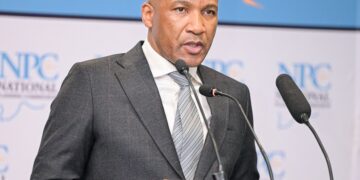
Speaking at an engagement session with government accounting officers and chief executives of state-owned enterprises, PEMANDU Director for Botswana, Taufik Mujib, said the overwhelming response demonstrates “the enthusiasm and commitment of stakeholders in driving Botswana’s economic transformation”.
Vice President Ndaba Nkosinathi Gaolathe, the keynote speaker at the event, said Botswana’s current economic environment presents “a catalyst for growth and transformation”.
“Challenges present a rare opportunity to break from the past and ignite a bold new era of economic development. This perspective is reflected in the BTEF, which aims to transition the country into a more diversified, resilient and globally connected economy,” Gaolathe said.
Malaysian consultancy PEMANDU Associates, widely recognised for its transformational expertise, has been mandated to translate the BTEF vision into actionable results. The firm has invited Batswana to submit proposals that can deliver tangible outcomes, and early response levels suggest strong uptake.
At the launch of BTEF, President Duma Boko lauded PEMANDU Associates as “deep domain experts” and “one of the world’s most elite transformation firms”. He noted the firm’s track record, endorsed by Harvard, Princeton, Bloomberg and the World Bank, in helping Malaysia achieve high-income status, enabling Dubai to implement world-class government reforms, and supporting Tanzania and Rwanda in unlocking billions in investment.
“They will work hand in hand with our government, private sector and citizens to implement Botswana’s boldest economic transformation ever attempted,” President Boko said.
Across Africa, PEMANDU has been instrumental in transforming key sectors through its Big Fast Results (BFR) methodology, which prioritises accelerated implementation and cross-sector collaboration. This approach has strengthened Rwanda’s social security systems and enhanced governance and infrastructure in Tanzania.
President Boko further outlined plans to utilise economic “laboratories” as innovation hubs where ideas from government, local entrepreneurs and foreign investors will be tested, refined and fast-tracked into execution. These labs, he said, will “unlock bottlenecks, eliminate bureaucracy and provide single-window clarity for government initiatives and private investments alike”.